


Every January, the streets of Manila transform into a powerful expression of faith as millions of devotees gather for the Feast of the Black Nazarene, one of the largest and most profound religious gatherings in the world. For Filipinos, this annual event is more than a procession—it is a deeply personal act of devotion, sacrifice, and hope.
Highlights of the Feast of the Black Nazarene
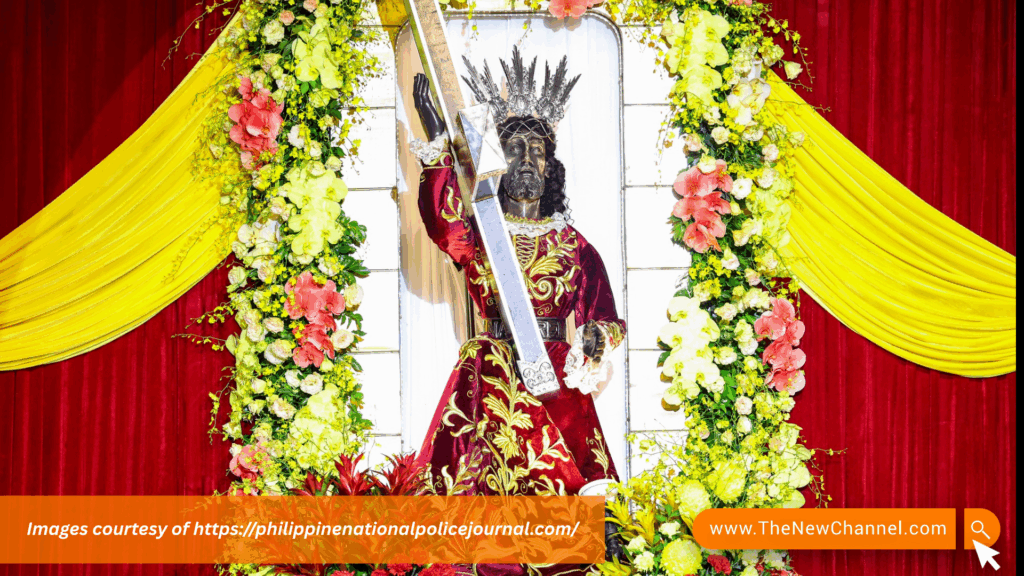
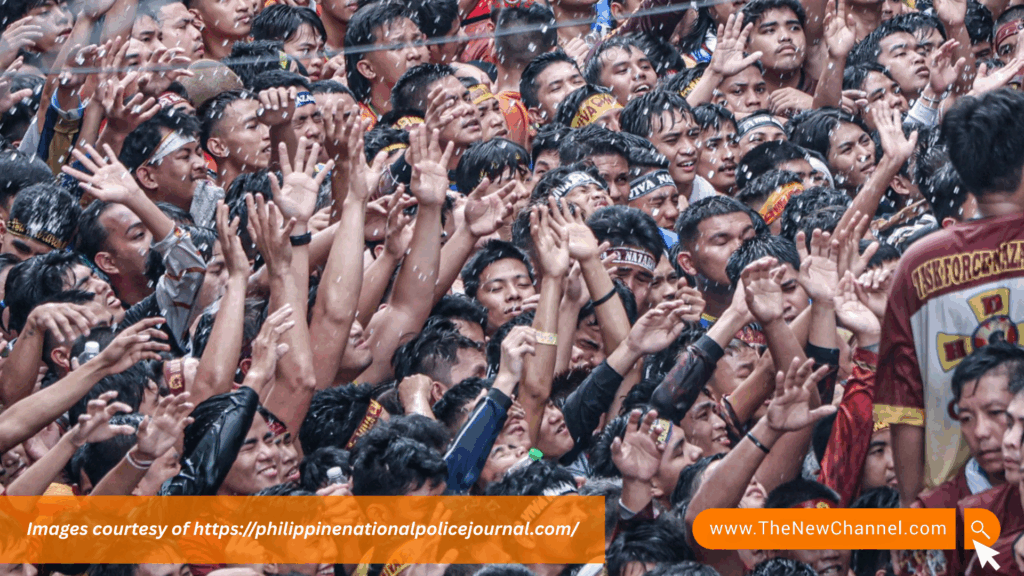
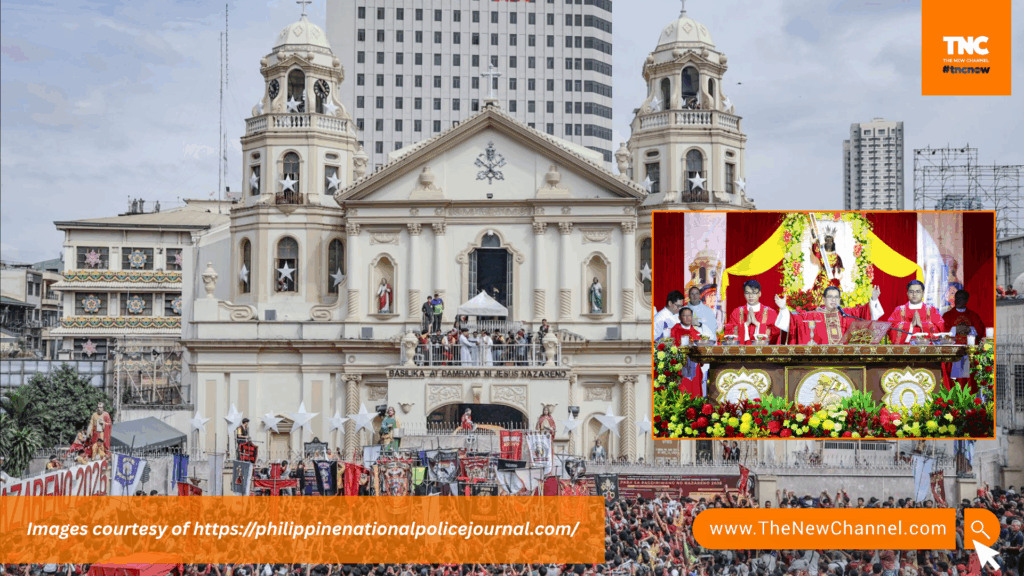
The highlight of the celebration is the Traslación, the procession of the centuries-old image of the Black Nazarene from Quirino Grandstand to the Minor Basilica of the Black Nazarene (Quiapo Church). Lasting several hours—and sometimes extending into the next day—the procession draws millions of barefoot devotees who brave heat, exhaustion, and massive crowds in a powerful demonstration of faith.
Among the most striking moments of the feast are:
- Devotees reaching for the image or its ropes, believing that even the slightest touch can bring healing and blessings
- Barefoot walking as a form of penance and humility
- Volunteers, devotees, and authorities working together to ensure safety amid overwhelming numbers
- Continuous prayers, chants of “Viva Señor Nazareno,” and shared silence, creating an atmosphere of unity and reverence
Beyond the Traslación, novena masses, dawn processions, and continuous church services fill Quiapo days before and after the feast, making it a week-long spiritual journey for many pilgrims.
Why Millions of People Attend the Feast
The Feast of the Black Nazarene continues to draw millions because it speaks directly to the Filipino soul.
For many devotees, attendance is rooted in panata—a personal vow made in gratitude for answered prayers or in hope for healing, protection, and guidance. Stories of recovery from illness, survival from hardship, and unexpected blessings are passed down through generations, strengthening belief in the image’s miraculous power.
The feast also reflects the Filipino values of:
- Resilience, as devotees endure physical hardship as an offering of faith
- Community, where strangers help one another amid the crowd
- Humility and surrender, symbolized by walking barefoot and enduring discomfort
In a country often faced with economic challenges, natural disasters, and personal struggles, the Black Nazarene represents a Christ who suffers alongside His people—making the devotion deeply relatable and enduring.
Faith That Transcends Time and Place
What makes the Feast of the Black Nazarene remarkable is not just its scale, but its continuity. Despite modern times, changing lifestyles, and growing urban pressures, devotion remains strong—passed from parents to children, from elders to first-time devotees.
Each year, the feast becomes a reminder that faith remains a powerful force in Filipino life—one that unites millions regardless of age, status, or background.
TNC’s Perspective
As a media platform that highlights culture, community, and stories that matter, TNC, The New Channel, recognizes the Feast of the Black Nazarene as more than a religious event. It is a living narrative of Filipino identity—where faith, perseverance, and hope converge in the streets of Manila.
Through coverage and storytelling, TNC continues to document moments like these that define the Filipino spirit and reflect the values that bind communities together.
Web article source: https://philippinenationalpolicejournal.com/