


A Protest Rooted in Urgency
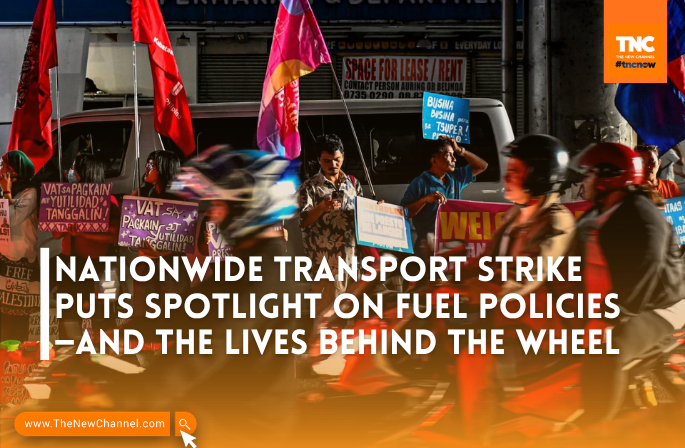
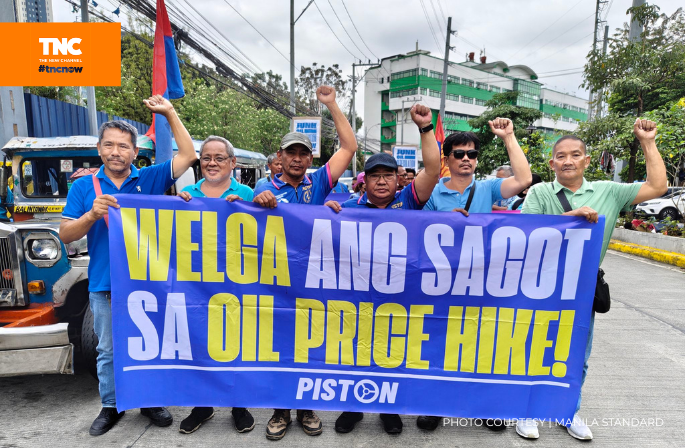
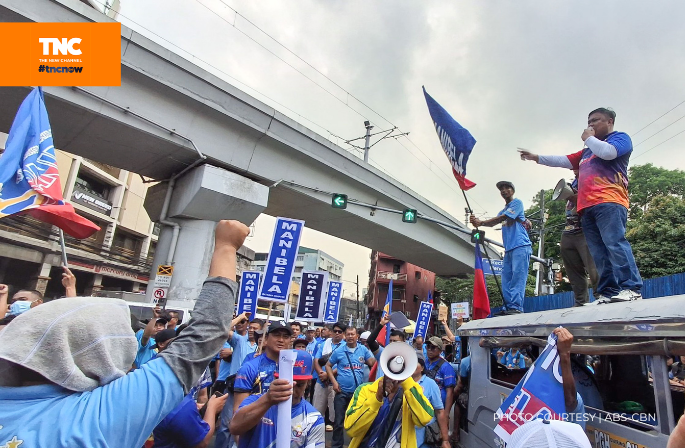
A three-day nationwide transport strike began on 21 April 2026, as transport groups Manibela and PISTON took to the streets to demand urgent reforms on rising fuel costs. In recent months, continuous increases in fuel and oil prices have placed immense pressure on drivers, with diesel hikes cutting deeply into their already limited earnings. While the headlines focus on policy—calls for a ₱50 to ₱60 fuel price rollback, the repeal of the Oil Deregulation Law, and the suspension of fuel taxes—the real story unfolds in the daily lives of drivers struggling to make ends meet.
Voices from the Road
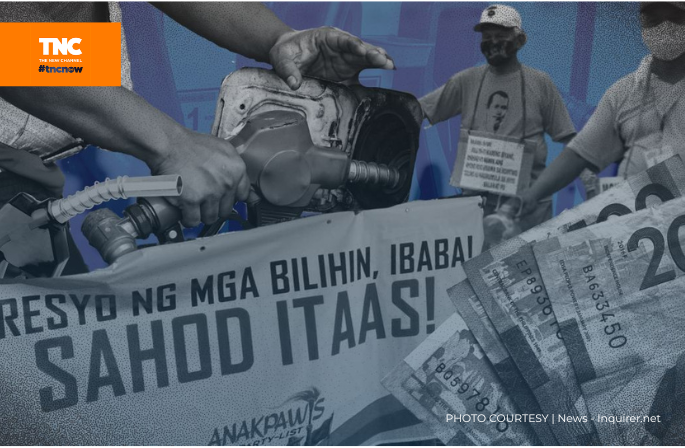
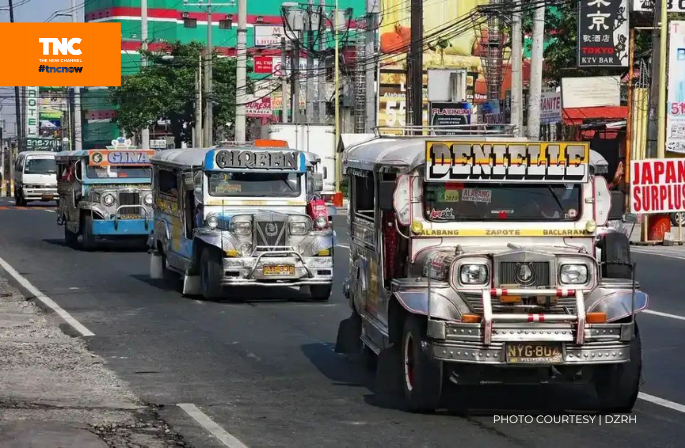
In major protest areas such as Petron Philcoa in Quezon City, drivers gathered not just to demonstrate, but to be heard. For many jeepney drivers, each day on the road has become a gamble as fuel prices continue to rise unpredictably—will today’s earnings be enough to cover fuel, boundary fees, and still bring something home for their families?
“Kapag nagtaas ang diesel, parang kami agad ang nawawalan,” one driver shared. “Biyahe kami nang biyahe, pero minsan kulang pa sa pangkain ng pamilya.” (When diesel prices go up, it feels like we’re the first to lose. We keep driving all day, but sometimes it’s still not enough to feed our family.)
A Daily Struggle Behind the Wheel
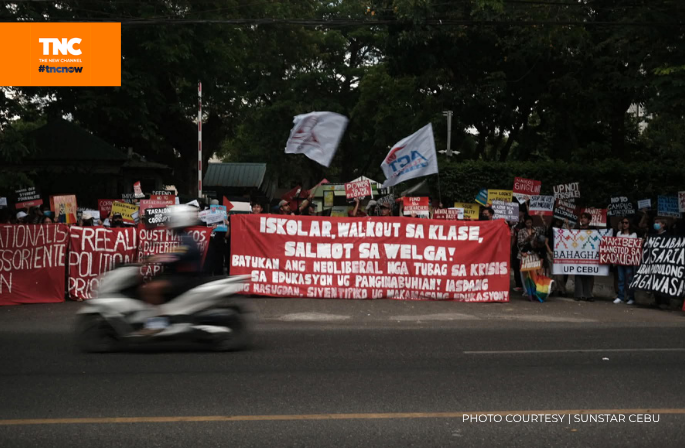
Stories like his echo across the transport sector. With every increase in fuel and oil prices, drivers are forced to work longer hours just to break even. Some leave home before sunrise and return late at night, only to find that most of their income has gone to fuel expenses. Others have been forced to cut down on trips or stop operating altogether when fuel becomes too expensive. Students rarely get a trip due to the rising price of fuel and the transport strike, and some of the university implemented online classes for the students who are affected by transport strikes and the rising price of oil. Students are having difficulties when it comes to the worsening economic crisis. Rising oil prices continue to drive up transportation fares, food costs, and other necessities, further burdening the Filipino people.
Commuters Caught in the Middle
For commuters, the strike means inconvenience—longer waits, crowded rides, or the need to search for alternative transport. But these disruptions also reflect a deeper issue: when fuel prices rise, fares often follow, affecting not just drivers but millions of passengers who rely on public transport daily.
Government Response and Short-Term Relief
Government agencies have rolled out contingency measures such as free rides to help affected passengers. In addition, financial assistance programs have been offered to drivers as short-term relief to help offset rising fuel costs. While this aid provides temporary support, many drivers argue that it is not enough to keep up with continuous fuel price increases and daily operational expenses.
A Story That Resonates Online
What makes this strike resonate with many netizens is the human face behind it. Viral posts and shared stories online show drivers eating simple meals by their vehicles, resting briefly before another long trip, all while coping with the burden of rising fuel costs.
More Than Just a Strike. The strike, in this light, becomes more than a disruption. It becomes a response to the growing crisis brought about by increasing oil prices—a call for attention to those who are most affected by every price hike.
Media and Public Awareness of the Issue
Even independent and digital media platforms such as The New Channel (TNC) Media have also begun highlighting the issue, focusing on both policy debates and the everyday struggles of drivers. These outlets play an important role in public discourse because they often bring attention to perspectives that may not always be fully captured in traditional news coverage—especially grassroots voices, commuter experiences, and online community discussions. In doing so, they help broaden the conversation and make the issue more visible to younger and digital audiences.
At a broader level, the issue has become an economic scale concern, where rising fuel and oil prices create a ripple effect that impacts not only drivers but also commuters, businesses, and the overall cost of living. In this sense, it is no longer an isolated transport problem but a shared economic burden—one that shows how interconnected daily mobility, income, and essential goods have become in a highly fuel-dependent system.
The Road Ahead
As the protest continues over the next few days, the question lingers—not just for policymakers, but for the public as well. How long can those who drive the nation’s daily life continue to be empty?
In the end, the outcome of this strike will be measured not only in policy changes but also in whether it brings lasting relief to the lives of those behind the wheel—the drivers who, despite everything, continue to carry the weight of the journey for everyone else.
Story Reference
This article is based on reports and updates regarding the April 21, 2026, nationwide transport strike led by transport groups Manibela and PISTON, as covered by major Philippine news outlets such as the Philippine Daily Inquirer, GMA News, and ABS-CBN News.
It also draws from official statements and public information released by government agencies, including the Department of Transportation (DOTr), Land Transportation Franchising and Regulatory Board (LTFRB), and Department of Energy (DOE), particularly on fuel price movements, contingency measures, and financial assistance programs for transport workers.
Want your story to be published? Subscribe to TNC via email partnerships@thenewchannel.com.
Follow TNC on Social Media FB – https://www.facebook.com/TNCnow/, IG – https://www.instagram.com/tncnow/, Tiktok – https://www.tiktok.com/@tncnow, LI – https://www.linkedin.com/company/thenewchannel/, X – https://x.com/tnc_now, YT – https://www.youtube.com/@TNCNow
Be updated on what’s new around the world, check your published stories by searching #TNCnow #OnTNC or check them out here: https://thenewchannel.com/highlights/