


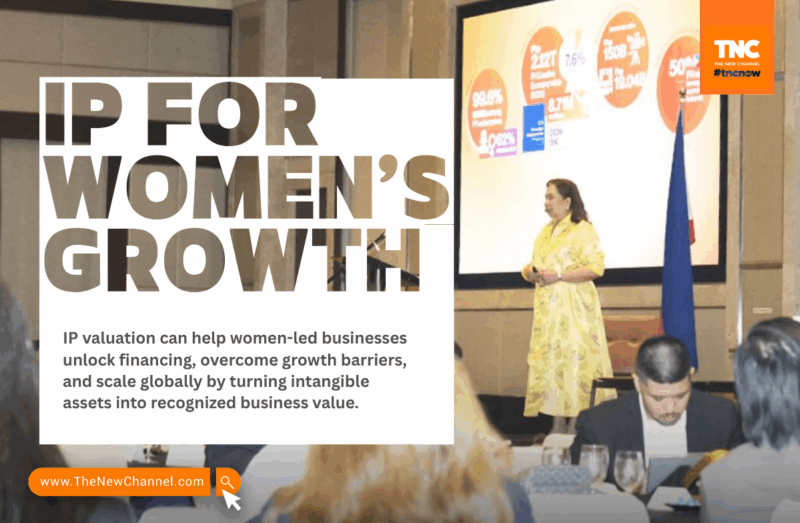
Giving women entrepreneurs greater access to financing through the valuation of their intellectual property (IP) can help more women-led businesses break through growth barriers and scale their enterprises globally, according to trade and innovation experts from government and industry at a recent forum held by the Intellectual Property Office of the Philippines’ (IPOPHL).
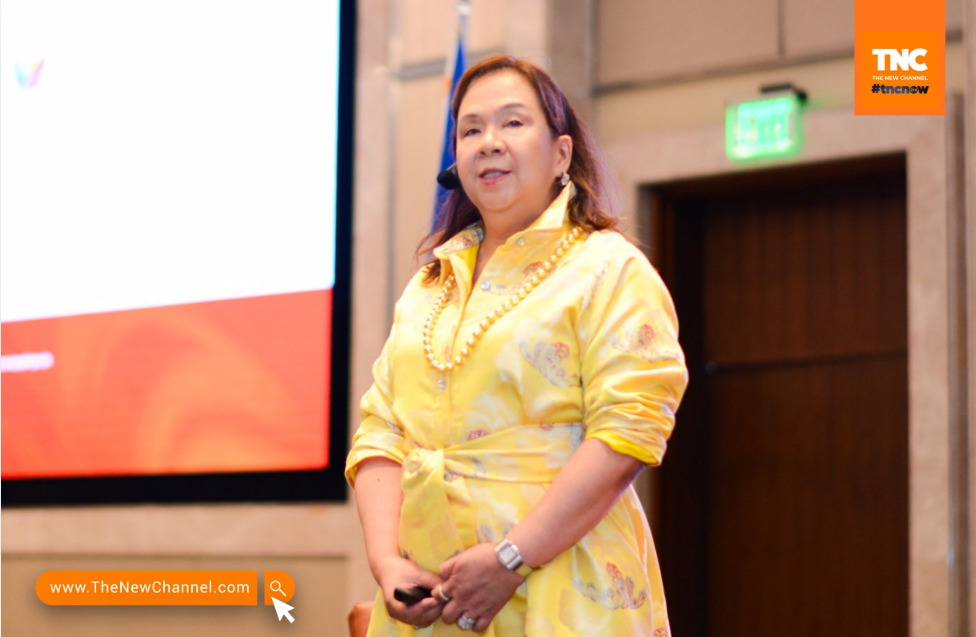
“If one knows how much something is worth, the owner is in a better position to make the right decision relative to any aspect of property ownership, including licensing agreements and even in securing much needed financing,” said IPOPHL Deputy Director General Ann Claire Credo-Cabochan during her tone-setting message for the forum “Leveraging Intellectual Property as an Innovation Enabler and Fuel for Inclusive Economic Growth.”
DDG Credo-Cabochan also mentioned IPOPHL’s progress in creating the ASEAN IP Valuation Manual, which would serve as a resource for enterprises in the region in appraising the monetary worth of their intangible assets. The first volume, currently in the final stages of development, covers patents and creatives, while the second will cover trademarks and industrial designs.
Unlocking financing for women through IP valuation
The forum’s first session, titled “Empowering Women to Win in IP: Building the Future Through Innovation and Enterprise,” further explored the importance IP valuation in building a more inclusive innovation landscape, particularly in terms of opening doors for women in more innovation-intensive domains, where women continue to be underrepresented in leadership roles.
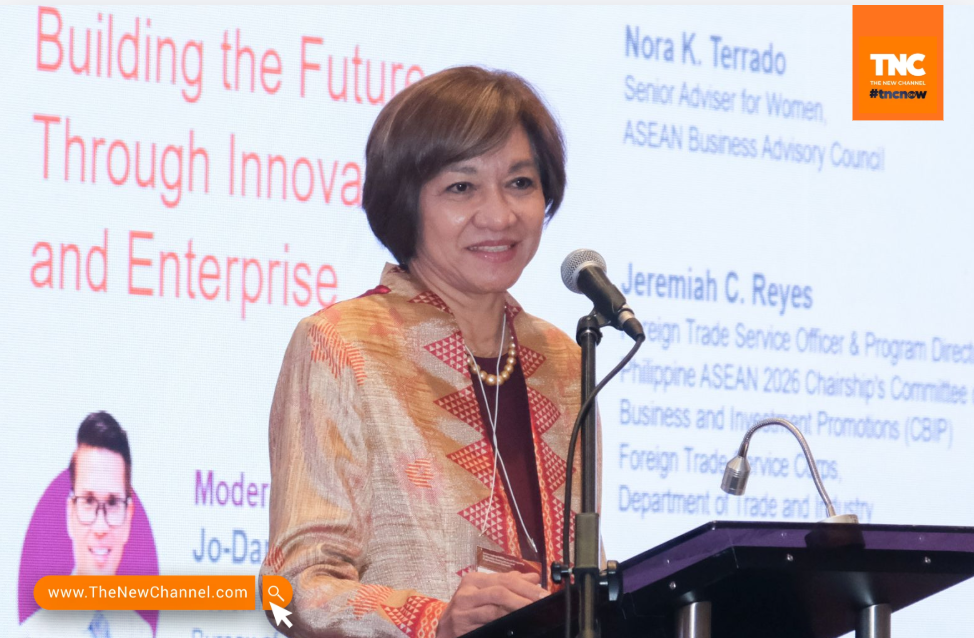
Nora K. Terrado, Senior Adviser for Women at the Business Advisory Council of the Association of Southeast Asian Nations (ASEAN), noted that IP valuation is essential for startups to bridge the chasm that many growing enterprises face when they are too large for microfinance but too small for institutional financing.
“Many startups faced the same challenge as mine. They had IP but did not know how to protect, value or leverage it for expansion,” she said. “We had no hard assets, but only contracts, our brand, our people, our automated processes and our trade secrets. Yet these intangible assets could not be collateralized.”
Terrado remarked that IP is often invisible in traditional financing, hence the need for IP valuation in order to attract investors, who would have a clearer picture of how much the business is worth.
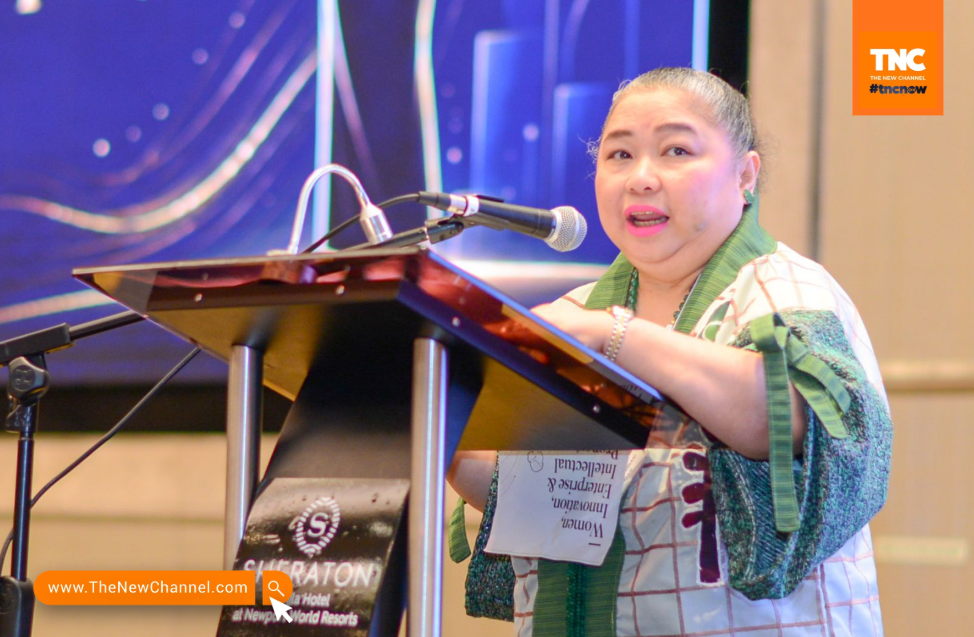
Vida M. Panganiban-Alindogan, Board Member of the Licensing Executives Society (LES) Philippines and a Vice Chair of the Education Committee at LES International, stressed the broader significance of capacitating women entrepreneurs to leverage their IP for growth.
“The challenge is not whether women are innovating because we already are. The challenge is ensuring that we recognize these creations as IP and know how to use IP strategically,” said.
According to Panganiban-Alindogan, it is important to create the conditions that allow women to flourish amid these contemporary shifts “through education, mentorship, professional networks and practical commercialization support.”
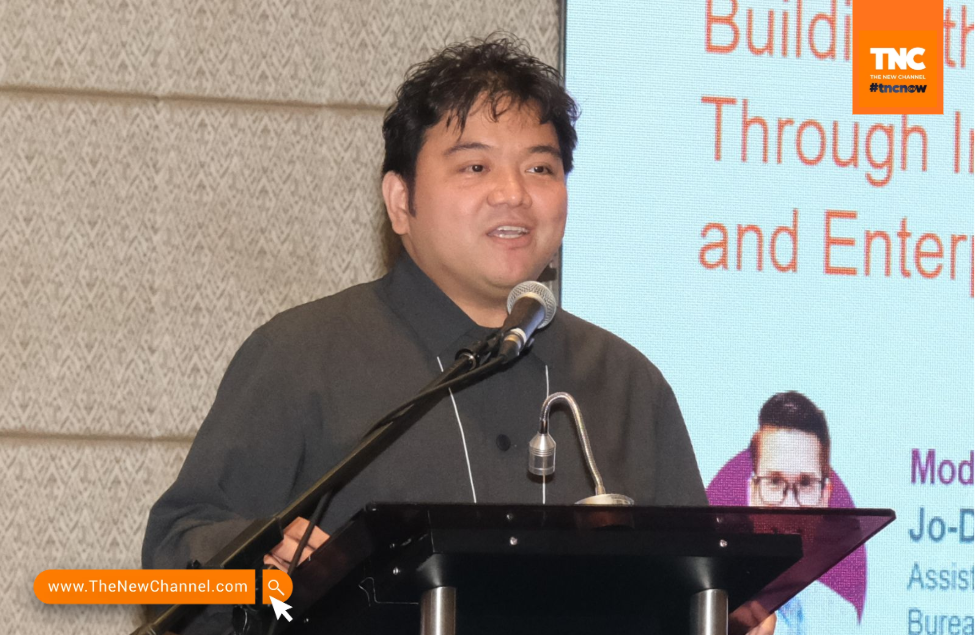
Jeremiah C. Reyes, Foreign Trade Service Officer and Program Director of the Philippine ASEAN 2026 Chairmanship Committee on Business and Investment Promotions, echoed this sentiment, adding that the challenge is no longer promoting entrepreneurship among women, citing recent trade statistics showing nearly 60% of business name registrations were by women-led enterprises.
“The challenge now is scaling up our microenterprises into globally competitive enterprises by export-driven women entrepreneurs,” he said.
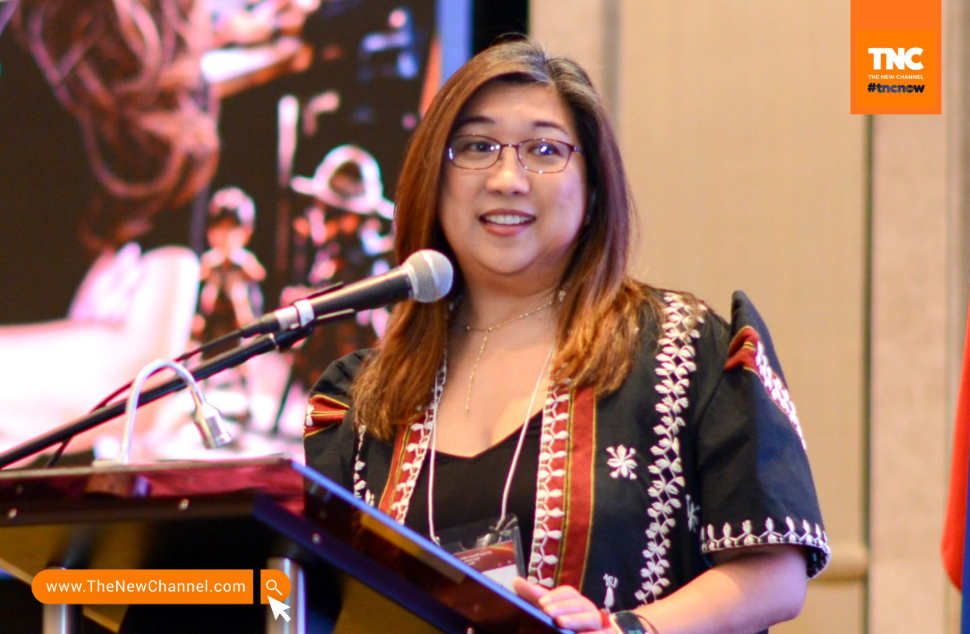
Marla Rausch, President of the Creative Content Creators Association of the Philippines and Founder/CEO of Animation Vertigo, noted that mentorship in the commercial aspects of IP is critical in helping women succeed in creating lasting enterprises.
“That support must include IP and contract knowledge, as well as guidance in negotiations,” she said, adding that this support enables women across the journey “from creator to recognized author to informed rights-holder to an entrepreneur who can build lasting value from those rights.”
Together, the speakers emphasized that making financing more accessible to women-led enterprises is essential to building a more inclusive innovation economy, and that women are able to value and leverage their intangible assets, IP can help open doors to financing that might otherwise remain out of reach. # # # (Rawl Maliwat, Communications & Marketing Writer)
Want your story to be published? Subscribe to TNC via email partnerships@thenewchannel.com.
Follow TNC on Social Media FB – https://www.facebook.com/TNCnow/, IG – https://www.instagram.com/tncnow/, Tiktok – https://www.tiktok.com/@tncnow, LI – https://www.linkedin.com/company/thenewchannel/, X – https://x.com/tnc_now, YT – https://www.youtube.com/@TNCNow
Be updated on what’s new around the world, check your published stories by searching #TNCnow #OnTNC or check them out here: https://thenewchannel.com/highligh