


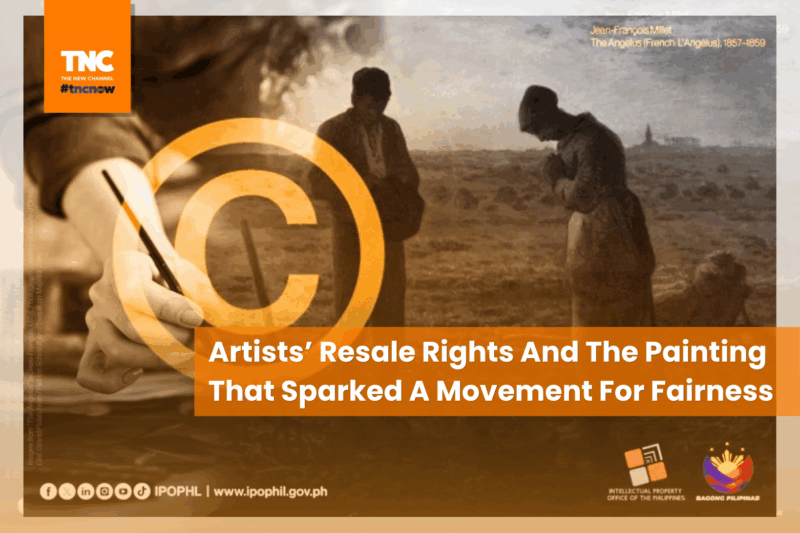
IPOPHL and WIPO are advancing regional discussions on how artists can have a fair share when their artworks leave their studios but grow in value over time.
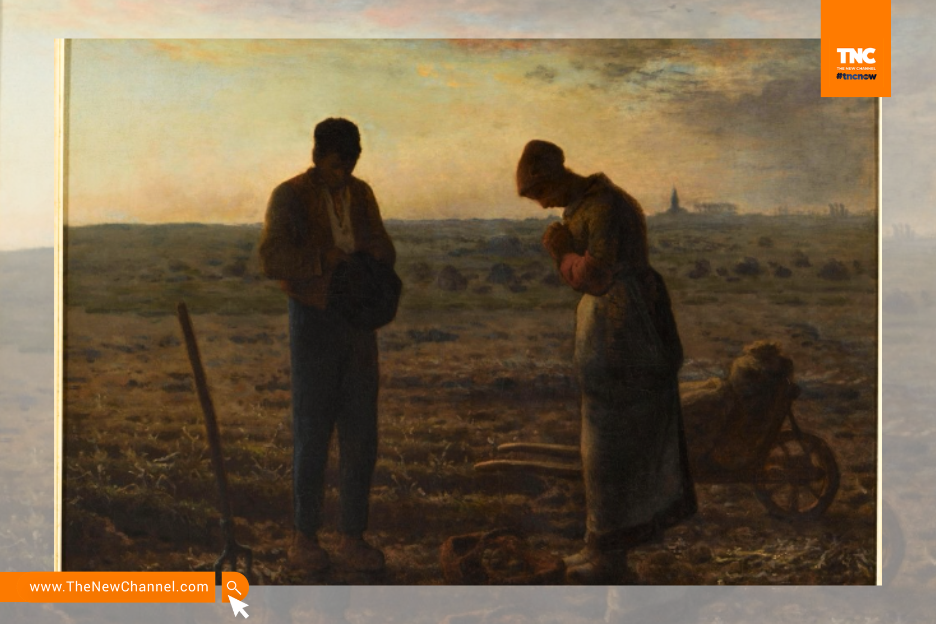
“The Angelus” by Jean-François Millet. Photograph courtesy of Musée d’Orsay, Dist. Grand Palais Rmn / Patrice Schmidt
In 1889, a painting of two peasants praying in a field shocked the art world, not only for how much it sold for but for how much – or little – was left for its creator.
French artist Jean-François Millet spent much of his career portraying the dignity, struggles, and poverty of rural workers. Fourteen years after his death, his most famous work, The Angelus, which depicted a humble farming couple pausing their labor to pray at dusk, was resold at auction for an astonishing 553,000 francs, setting a record for the time. While collectors and dealers profited from the transaction, Millet’s family was reportedly living in poverty.
The contrast exposed the plight of many visual artists, particularly after their death. While artworks could generate fortunes for collectors and dealers as they changed hands over time, the artists who created them—and often their families—rarely share in the growing value of those works.
Millet’s story is closely linked to the birth of what is now known as Artists’ Resale Right (ARR) or droit de suite in French, meaning “the right to follow.” Introduced in France in 1920 and later adopted in more than 90 countries, including the Philippines, ARR allows visual artists to receive a royalty when their original artworks are resold through galleries, auction houses, and other professional art market channels.
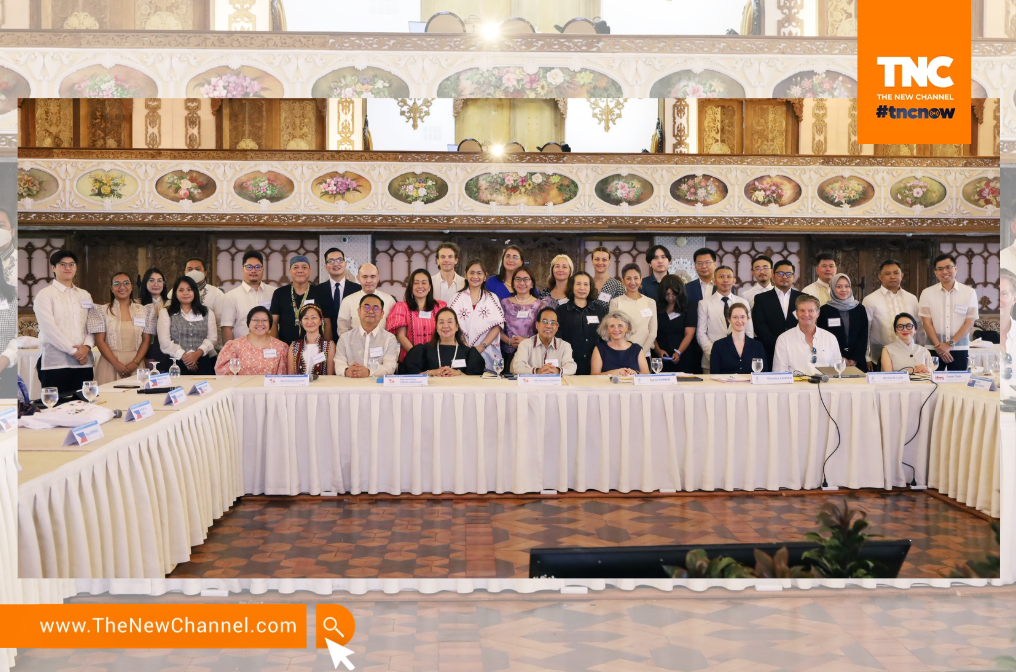
Discussions on the future of artists’ resale rights (ARR) and their role in creating a more equitable and sustainable art market will take center stage at the Asian Regional Conference on Artists’ Resale Rights, jointly organized by the Intellectual Property Office of the Philippines (IPOPHL) and the World Intellectual Property Organization (WIPO) in Bagac, Bataan, this June.
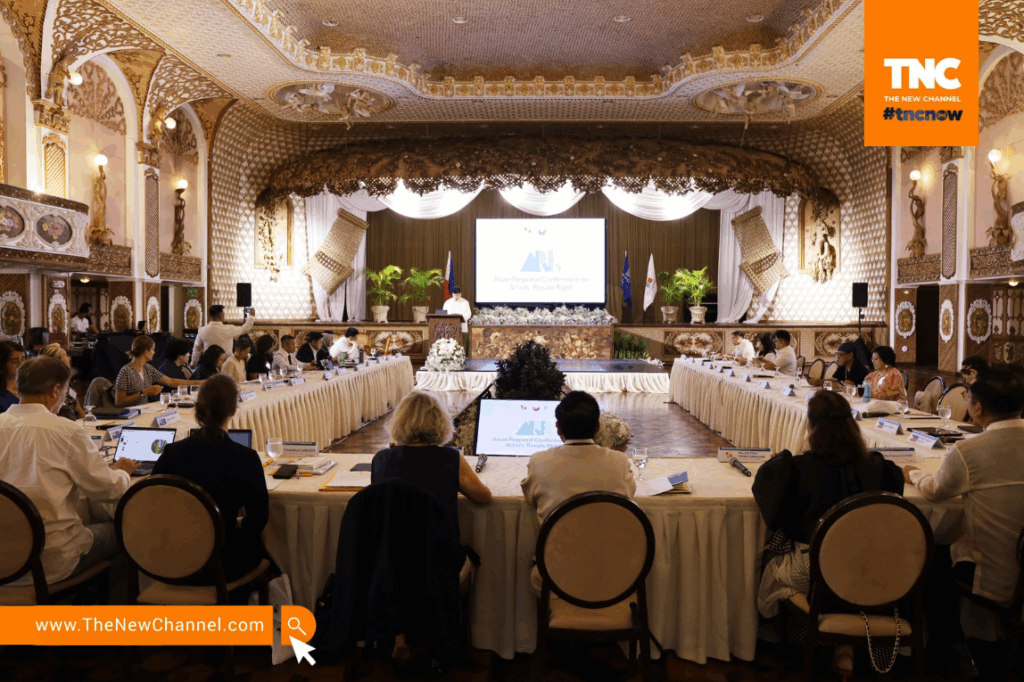
Bringing together policymakers, artists, collective management organizations, copyright experts, and international institutions from across the Asia-Pacific, the conference aims to advance regional dialogue on the implementation of ARR amid rapidly evolving art markets shaped by digital platforms, cross-border transactions, and emerging technologies.
Among the Philippine participants are renowned artists Nemesio Miranda, Abdulmari “Toym” de Leon Imao Jr., Alberto “Badz” Magsumbol, and Megs Empinado, who will join counterparts from around the world in discussing how artists can better share in the long-term value of their work.
Beyond knowledge sharing, participants will work toward developing strategies and a regional roadmap to strengthen awareness, administration, and enforcement of ARR across the region.
Gap in the visual arts
Unlike musicians who can earn royalties from streams and performances or authors who can gain from book sales and licensing agreements, many visual artists rely largely on one-time sales, commissions, teaching engagements, or side jobs to sustain their practice, leaving them with fewer recurring income opportunities after an artwork leaves their hands.
Moreover, death often transforms an artist’s work into a finite resource, driving up its value in the marketplace. Yet as artworks pass from one collector to another, the creators behind them rarely share in the wealth their growing reputations generate.
To address these imbalances, ARR gives artists a small share of the resale price whenever their original works are sold through professional channels.
The discussion is becoming more urgent as art markets become increasingly global and digital, raising practical questions on how resale royalties can be tracked, collected, and distributed efficiently and transparently.
Beyond royalties
In the Philippines, the challenge remains in ensuring market intermediaries recognize ARR as stipulated in Republic Act 8293 or the IP Code of 1997. Section 200 of the law states that artists enjoy a share in the gross proceeds of every sale or lease of an original work of painting or sculpture or of the original manuscript of a writer or composer in every disposition following the first.
“Resale royalties are about recognizing the continuing contribution of artists to the value of their works and strengthening the long-term sustainability of creative careers,” IPOPHL Director General Teodoro C. Pascua said.
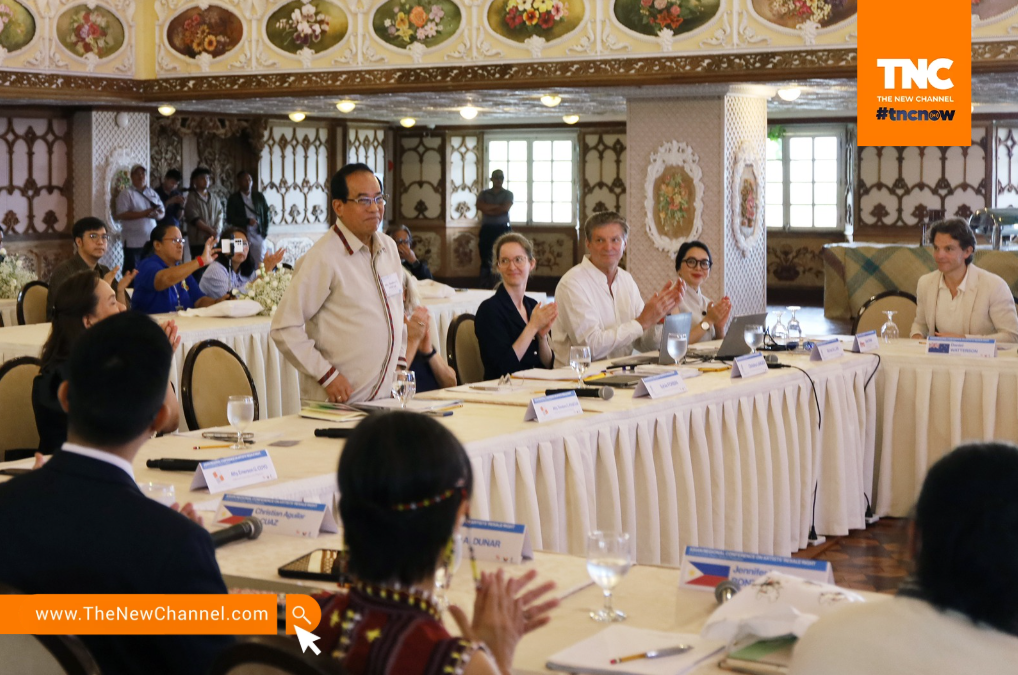
“Ultimately, the debate over artists’ resale rights is about more than percentages and legal frameworks. It is about the kind of creative economy societies want to build,” Pascua added.
As a farmer’s son, Millet may have only hoped to immortalize the dignity and hardships of laborers through his artworks. Yet his legacy extends far beyond the canvas as his story inspired a movement that challenged society to ensure artists are not excluded from the prosperity and cultural wealth their works help create.
More than a century later, ARR remains a significant attempt to address that challenge and continues to gain relevance as art markets become increasingly global, digital, and interconnected.
Want your story to be published? Subscribe to TNC via email partnerships@thenewchannel.com.
Follow TNC on Social Media FB – https://www.facebook.com/TNCnow/, IG – https://www.instagram.com/tncnow/, Tiktok – https://www.tiktok.com/@tncnow, LI – https://www.linkedin.com/company/thenewchannel/, X – https://x.com/tnc_now, YT – https://www.youtube.com/@TNCNow
Be updated on what’s new around the world, check your published stories by searching #TNCnow #OnTNC or check them out here: https://thenewchannel.com/highligh